

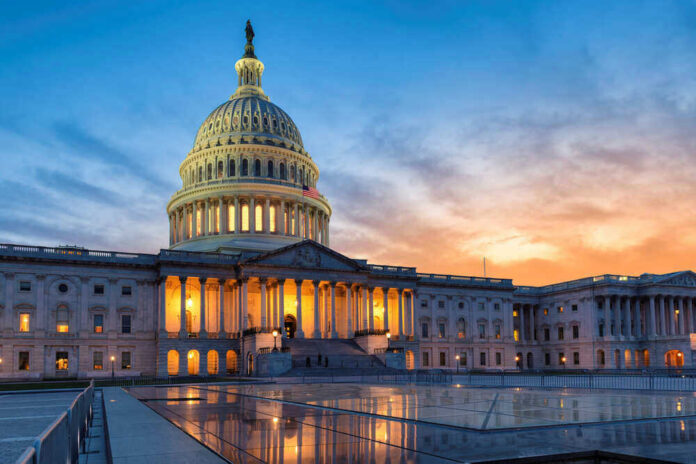
A record-breaking exodus of 37 congressional lawmakers abandoning their seats ahead of the 2026 midterms signals potential disaster for the GOP’s slim majority and exposes deep fractures within both parties that could reshape American governance.
Story Highlights
- 37 lawmakers have announced they won’t seek reelection, creating unprecedented congressional turnover.
- Republicans face greater losses than Democrats, threatening their narrow House and Senate majorities.
- Strategic redistricting efforts by GOP states are backfiring as Democrats retire to avoid brutal primaries.
- Veteran lawmakers, including Mitch McConnell, are departing after clashes with Trump-aligned factions.
Republican Leadership Hemorrhaging Senior Members
The departure of seasoned Republican leaders represents more than typical midterm turnover—it reveals a party struggling with internal identity conflicts.
Senate Minority Leader Mitch McConnell’s announcement that he won’t seek reelection, alongside Senators Thom Tillis and Joni Ernst, removes decades of institutional knowledge and legislative experience.
These exits follow documented tensions between establishment Republicans and Trump-aligned party factions, suggesting the departures stem from frustration rather than natural retirement timing.
Representative Chip Roy’s decision to run for Texas Attorney General instead of seeking House reelection further demonstrates how accomplished conservatives are seeking alternative paths rather than navigating increasingly contentious primary battles.
This pattern should concern every conservative who values experienced leadership capable of advancing our constitutional principles and defending against leftist overreach.
Redistricting Warfare Backfires on Conservative Strategy
The GOP’s aggressive mid-decade redistricting efforts in states like Texas have produced unintended consequences that threaten long-term conservative representation.
While redrawing maps to target Democrat seats seemed strategically sound, the result has been Democrat lawmakers like Texas Representative Lloyd Doggett choosing retirement over facing redrawn districts designed to eliminate their chances. This creates open seats that could attract well-funded progressive challengers in what should be safe Republican territory.
California’s retaliatory redistricting measure compounds this problem by threatening to eliminate Republican seats on the West Coast.
The escalating redistricting arms race between states demonstrates how political gamesmanship can backfire, potentially costing conservatives more seats than they gain. Smart governance requires looking beyond short-term tactical advantages to preserve long-term representation of American values.
Democrat Generational Shift Masks Strategic Positioning
While Democrats also face significant departures, including Senators Dick Durbin and Jeanne Shaheen, their retirements appear more coordinated and strategic than Republican exits.
Representatives Jan Schakowsky, Dwight Evans, and Danny Davis are stepping aside to make way for younger progressive voices, suggesting deliberate succession planning rather than conflict-driven departures. This organized approach allows Democrats to maintain institutional continuity while refreshing their ranks with more radical leftist candidates.
The contrast between Democrat strategic planning and Republican factional infighting should alarm conservatives. While we debate among ourselves, progressives are methodically positioning themselves for 2026 and beyond.
This coordination enables them to advance their agenda of expanded government control, weakened constitutional protections, and continued erosion of traditional American values.
Constitutional Governance at Risk From Institutional Brain Drain
The unprecedented scale of congressional departures poses a threat to the institutional knowledge necessary for effective governance and constitutional oversight.
Experienced lawmakers understand procedural mechanisms for checking executive overreach and protecting minority rights—expertise that takes decades to develop. Losing 37 seasoned members simultaneously creates dangerous vulnerabilities in Congress’s ability to fulfill its constitutional duties.
New members, regardless of party affiliation, require time to master complex legislative processes and develop working relationships essential for advancing conservative priorities.
This learning curve coincides with critical battles over government spending, immigration enforcement, and constitutional rights that demand experienced leadership.
The timing couldn’t be worse for conservatives who need skilled legislators capable of reversing four years of Biden administration damage while defending against inevitable progressive counterattacks.
Sources:
A record number of congressional lawmakers aren’t running for reelection in 2026. Here’s the list