
Bear spray, grit, and a fast exit turned a mauling into a rescue on an Anchorage trail.
Story Snapshot
- A brown bear injured a woman running alone on the Wolverine Bowl Trail near Prospect Heights.
- She used bear spray, walked herself out, and was taken to a hospital, officials said.
- Alaska Fish and Game biologists investigated the site after the incident.
- Bear spray remains a top defense in bear country, though no tool is perfect.
A Sudden Attack On A Busy Anchorage Trail
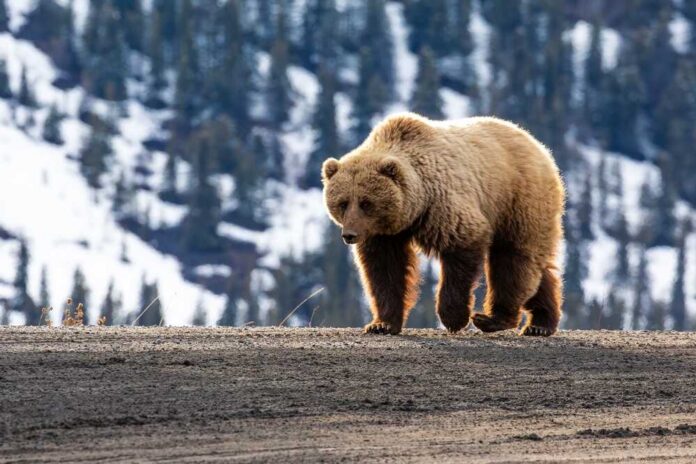
Alaska Department of Fish and Game reported that a woman running alone on the Wolverine Bowl Trail near Anchorage’s Prospect Heights trailhead was injured by a brown bear. She deployed bear spray during the encounter, then self-rescued to the trailhead. First responders transported her to a local hospital for treatment.
Biologists later visited the site to investigate the circumstances of the attack, according to the department’s public notification. The bear was not reported as found during the initial follow-up.
Alaska runner hospitalized after using bear spray to fight off brown bear on trail https://t.co/pR0dfvx9Gn pic.twitter.com/cc6xIDJrLE
— New York Post (@nypost) August 16, 2026
The agency’s notice aligns with what many Alaskans already know. High-use trails wind through active bear habitat, especially in late summer. Brown bears roam the Chugach front range, where berry patches, salmon runs, and human traffic often overlap. Most days pass without trouble.
But when paths cross at close range, seconds matter, and what a person does with those seconds often decides the outcome. In this case, swift use of bear spray, steady movement to safety, and a clear head carried the day.
What Officials Say Happened And Why It Matters
Fish and Game’s notice is careful and direct. It names the general area, the date, the fact pattern, and the response: a solo runner, a brown bear, injuries, spray deployment, self-evacuation, hospital care, and a field review by a state biologist.
That clarity matters because it guides public behavior on the very trails people will use tomorrow. The message is simple and firm. Carry bear spray where you can grab it. Know how to use it. Travel in groups when you can. Make noise in brush and on blind corners.
State agencies and wildlife groups keep repeating a key point. Bear spray is most effective when used quickly and at close range. It pushes a hot, wide cloud that can stop a charge, buy distance, and prevent worse harm.
No single tool works every time, but bear spray has the best track record when people face a sudden, aggressive bear at short distance, which is how most attacks begin. That is not theory for Alaskans. It is field practice that keeps people alive.
How Often Spray Works, And What It Does Not Do
Researchers who tracked real encounters in Alaska found that bear spray stopped aggressive behavior in about 92 percent of cases, a rate that beat firearms in similar studies, especially at short range when speed and accuracy drop under stress.
The Interagency Grizzly Bear Committee’s guidance mirrors that view: no deterrent is perfect, but spray has shown the most success at fending off threatening or attacking bears while also avoiding lethal outcomes for people and wildlife. Those numbers do not promise safety. They set odds you can improve with training and good habits.
Spray is not a shield you wear. It is a response tool you must deploy well. Wind can push it. Brush can block it. Hesitation wastes distance you cannot buy back.
You need the can where your hand lives, a firm stance, and a two-second burst into the bear’s face as it closes. Then you need to leave the area.
Lessons For Everyday Trail Users In Bear Country
Anchorage sits on the edge of wild country. That is part of its charm and its risk. The fix is not fear. The fix is readiness. Hike or run with a partner when you can. Keep your earbuds out in thick cover. Call out on bends and near streams. Leash dogs that range ahead and can bring a bear back to you.
Carry bear spray on your chest strap or belt, not buried in a pack. Practice drawing and aiming. Replace expired cans. These are not extreme steps. They are basic trail manners that protect life and freedom to roam.
🔴 Woman repels bear attack on Alaska trail with spray; injured, hospitalized
A brown bear attacked a runner alone on the Wolverine Bowl Trail near Prospect Heights in Anchorage on Thursday. The woman deployed bear spray and escaped to the trailhead on her own, then was… pic.twitter.com/dwkEMOJfdw
— NewsTongue (@NewsTongueX) August 17, 2026
Officials also stress smart decisions after an encounter. If a bear makes contact and you stop it with spray, leave the area the way you came. Do not chase a wounded or blinded bear. Report the incident to Alaska Fish and Game as soon as you can.
That call helps biologists assess risk to others and post warnings where needed. In this case, signs went up at nearby trailheads to alert the public, and a biologist review followed, which is the standard playbook after such events.
Sources:
cbsnews.com, ground.news, x.com