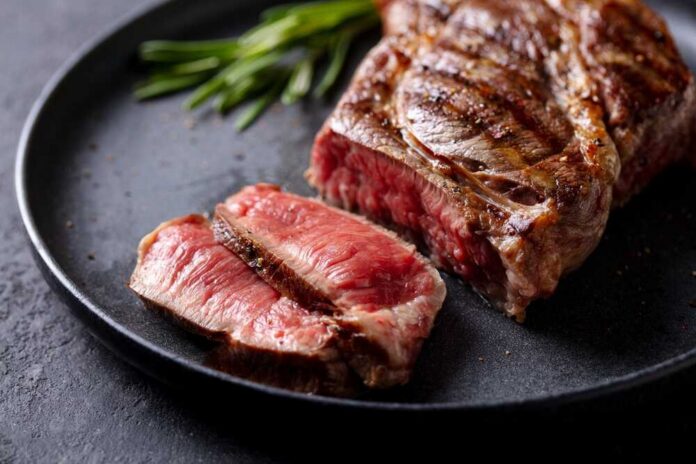
Your next steak is getting pricier because cattle simply aren’t there.
At a Glance
- Tyson is closing two beef plants and plans to sell a third due to a historic cattle shortage.
- The company will center beef operations in Nebraska, Kansas, and Texas to boost efficiency.
- U.S. cattle supplies sit near a 75-year low, lifting costs and squeezing packers.
- Consumers should expect tight beef supplies and firm prices for years, not months.
Tyson Pulls Back As Cattle Supplies Hit Historic Lows
Tyson Foods said it will close a beef plant in Joslin, Illinois, and a case-ready facility in Eagle Mountain, Utah, and pursue the sale of a Pasco, Washington, beef plant. The company tied the moves to a historic cattle shortage and signs that supplies will stay tight.
Tyson will anchor beef operations around plants in Dakota City, Nebraska; Holcomb, Kansas; and Amarillo, Texas, to focus on locations closest to cattle and customers.
The company’s statement leaned on fresh federal cattle data and warned that low heifer retention signals a slower rebuild of the herd. That means fewer animals heading to feedlots and higher costs to secure them.
Tyson framed the restructuring as necessary to stay competitive and to keep the remaining plants busy and efficient. Other meatpackers have trimmed capacity in past down cycles for the same reason: too few cattle to run every plant at full tilt.
The Numbers Behind Your Grocery Bill
Tyson’s beef unit posted a $138 million operating loss in the latest quarter as volumes fell and cattle costs climbed. Company leaders also lowered their full-year beef outlook earlier this month and flagged sustained pressure if supplies stay tight.
Executives described a straightforward squeeze: paying more per head while running fewer through the system, then passing some costs to buyers via higher beef prices.
Government and industry reporting back that picture. The national cattle herd has dropped to its lowest level in roughly 75 years after years of drought and high feed costs.
Fewer cows mean fewer calves and a smaller pipeline for several seasons. That is why analysts and Tyson both say relief could take years, not months. Beef supply does not turn on a dime; it follows a slow biological clock from pasture to plate.
Why Plants Close When Cattle Get Scarce
Beef plants are high-fixed-cost businesses. They need a steady stream of cattle to cover labor, energy, and upkeep. When the herd shrinks, plants run under capacity and margins sink.
Firms respond by shutting older or less strategic sites and concentrating slaughter and fabrication in a few strong hubs. University and trade analysts called Tyson’s earlier closures in Lexington, Nebraska, and Amarillo, and shift cuts, classic examples of right-sizing during a tight cattle cycle.
Tyson Foods Restructures Beef Operations Amid Historic Cattle Shortage
Tyson Foods, the largest U.S. meatpacker, announced on August 13, 2026, that it will close two beef facilities and pursue the sale of a third as it scales back its processing footprint in response to one of…
— JimWooddell 🦌🥩 (@wooddell_jim) August 16, 2026
Tyson’s new footprint clusters in the central Plains, close to major feedlot regions and rail links. That can cut transport costs and reduce delays. It also keeps skilled crews and modern lines busy, which helps hold down unit costs when every head counts. The strategy does not add cattle to the system. It does try to make the most of a thin supply while keeping the business viable until the herd rebuilds.
What It Means For Families, Ranchers, And Towns
Families will likely face firm beef prices and fewer discounts. Ground beef and popular steak cuts could stay high through grilling seasons ahead. Budget shoppers may switch to pork or chicken, which often move inversely with beef when beef is expensive.
Ranchers with cattle to sell gain leverage today, but many sold down herds during drought. Rebuilding takes time and money, and many small operators face high interest costs and thin margins even in a seller’s market.
Towns built around plants will feel real pain. Closures hit paychecks, suppliers, and tax bases. That is why state and local leaders push to retrain workers and recruit new employers fast.
Policy should focus on water infrastructure, drought resilience, and fair, open markets so producers can rebuild herds with confidence. When cattle numbers recover, capacity can expand again. Until then, supply sets the rules.
Sources:
foxbusiness.com, tysonfoods.com, finance.yahoo.com, fool.com, nytimes.com, axios.com, investing.com, reuters.com