
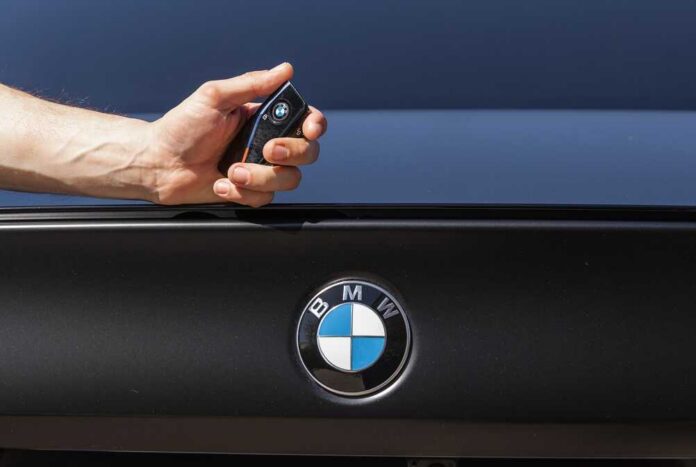
BMW told 720,796 owners to park outside because a small water leak can spark a fire even when the car is off.
Story Snapshot
- Federal safety regulators flagged a “park outside” recall for nearly 721,000 BMWs.
- A water-pump electrical connector can let in water, short, and ignite.
- Models span popular 2012–2018 sedans and sport-utility vehicles.
- Repairs are free, but many owners delay fixes, which raises risk.
What regulators said and why it matters
The National Highway Traffic Safety Administration said BMW of North America launched a park-outside recall for 720,796 vehicles due to a fire risk while parked and turned off. The agency described the failure path in plain terms: an electrical connector on the water pump was not sealed well. Water can enter, cause a short circuit, and increase the risk of fire. That chain is simple enough to explain in a dealership bay and serious enough to keep cars out of garages tonight.
BMW’s list covers many of the brand’s best-selling lines from the 2012 to 2018 model years. Reported coverage includes 3 Series and 5 Series sedans plus X1, X3, and X4 sport-utility vehicles, and the Z4 roadster. The scope is big because the same connector design ran across several platforms for years. Regulators urged owners to park outside and away from structures until a remedy is complete. That advice protects families, homes, and first responders if a fire starts.
How a parked car can catch fire
Modern cars never fully “sleep.” Small control modules stay powered to manage security, telematics, and cooling. If water wicks into a live connector, electrons find the shortest path. Heat builds at the weakest contact point. Plastic insulators melt. Nearby parts can ignite. Owners may see a battery drain, smell burning, or see smoke near the front of the engine bay. But the first sign could be a flame in the garage. Parking outside breaks the fire’s path to your home.
Regulators treat recalls as an “unreasonable risk” threshold, not a panic meter. A recall does not mean every car will fail, but it does mean the design or part can fail in a way that threatens people or property. The National Highway Traffic Safety Administration manages that process, tracks fixes, and holds companies to repair plans and clear notices to owners. The system expects a free repair, fast communication, and a remedy that works without guesswork.
Why big recalls keep happening
Large recalls are a normal part of a complex auto market. One shared part can sit in millions of vehicles. When it goes wrong, the scope looks shocking. The Detroit News noted that a related 2024 campaign touched these affected BMWs, and they now need another fix. That happens when a first repair treats symptoms, not the root cause. It is fair to ask for better engineering discipline, tighter supplier audits, and validation that a remedy survives heat, cold, water, and time before it goes to customers.
RECALL ALERT: BMW is recalling 720,796 vehicles and telling owners to park outside because a faulty water pump connector can cause fires. https://t.co/dIr0TgG6M6
— ConsumerAffairs (@ConsumerAffairs) November 16, 2026
The real danger is not the recall itself; it is the unfinished recall. Government watchdogs have reported completion rates that often fall well below 100%. That leaves many risky cars in driveways and at curbs. The longer you wait, the more chances water has to find that connector. Conservative common sense applies here: protect your home, protect your family, take the free fix, and do it soon. This is not a “maybe later” task when fire is on the list of outcomes.
What owners should do right now
Owners should search their vehicle identification number on the National Highway Traffic Safety Administration recall site, call their local dealer, and schedule the repair. Park the vehicle outside and away from buildings until the work is done. Ask the service writer three direct questions: what part changes, what seals improve, and how the new design blocks water over years, not months. Keep the repair receipt with the vehicle records. If you sold the car, alert the buyer. Safety follows the car, not the name on the title.
Why this recall is a policy reminder
The recall process works best when three gears mesh: swift notices, a durable fix, and owner follow-through. The National Highway Traffic Safety Administration requires free remedies and monitors whether companies tell owners on time and deliver a working solution. That only solves the hazard if drivers show up. Policymakers can boost completion with clear language, better dealer capacity, and reminders tied to registration renewals. But the fastest force remains you, the owner, taking one hour to book the repair.
Sources:
nhtsa.gov, detroitnews.com, gao.gov