A mass shooting in Washington, D.C. has resulted in sentences of over 100 years for its ringleaders, highlighting the ongoing battle against violent crime.
Story Highlights
- Six defendants sentenced for deadly D.C. mass shooting.
- Ringleaders receive sentences exceeding 100 years.
- Incident underscores persistent urban violence issues.
- Community leaders call for stronger measures against crime.
Mass Shooting Sentences Announced
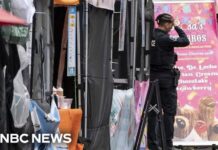
On October 30, 2025, DC Superior Court Judge Neal Kravitz handed down lengthy sentences to six defendants involved in a mass shooting on September 4, 2021, which resulted in three deaths and three injuries.
The convicted individuals included Erwin Dubose, Kamar Queen, Damonta Thompson, and William Johnson-Lee, who faced multiple charges, including premeditated first-degree murder. The judge imposed sentences as long as 123 years for the ringleaders, highlighting the severity of their crimes.
Prosecutors described the shooting as “one of the most horrific acts of violence” seen in the District in decades. They argued that the defendants turned the neighborhood into a “battlefield,” risking countless lives.
Victims’ families expressed relief and justice, with one family member deeming the defendants “monsters, serial killers.” The prosecution sought harsh penalties, emphasizing the need to prevent history from repeating itself.
Judge Neal Kravitz sentenced six defendants tied to the Kennedy Street Crew mass shooting that killed three people in 2021.
Prosecutors called the attack “one of the most horrific acts of violence the District has seen in decades.”
The judge handed down prison terms as long…
— D.C. Witness (@dcwitness) November 3, 2025
Legal Proceedings and Defense Arguments
The prosecution requested extensive sentences for the defendants, citing their leadership in the attack and prior glorification of violence. Erwin Dubose and Kamar Queen received the harshest penalties due to their criminal histories and leadership roles.
Defense attorneys argued for leniency, suggesting that some defendants had potential for rehabilitation and requesting concurrent sentences. However, the judge emphasized the need for meaningful sentences to protect the community.
Community Impact and Future Measures
This case has reignited discussions on urban violence and the justice system’s role in deterring such crimes. Community leaders are calling for stronger measures to tackle the root causes of violence.
The sentences reflect a broader effort to uphold public safety and ensure accountability. As the defendants plan to appeal, the case continues to underscore the complexities of criminal justice and rehabilitation.