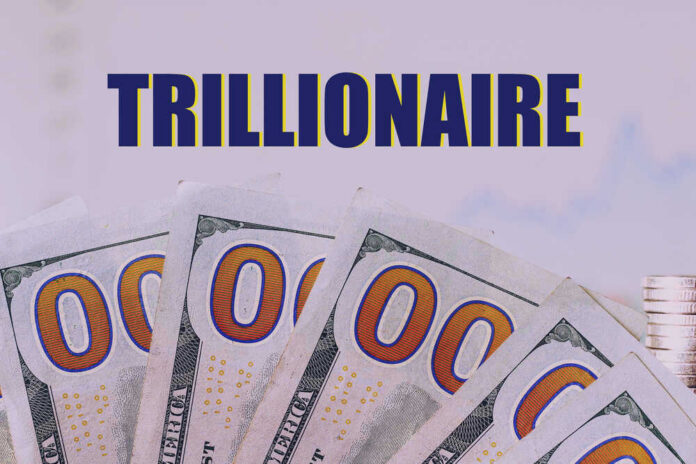
One man’s “paper” trillion is forcing America to ask what wealth, risk, and reward really mean.
Story Snapshot
- SpaceX’s record stock debut briefly turned Elon Musk into the world’s first trillionaire on paper.
- The company’s price jump pushed its value above $2 trillion and Musk’s fortune past $1.1 trillion.
- Critics argue the wealth is locked up, illiquid, and riding on a very aggressive valuation.[1]
- The fight over that trillion exposes a deeper clash over markets, innovation, and extreme wealth.
A record-breaking IPO that rewrote the rich list in one trading day
SpaceX began trading with its initial public offering price set at about $135 per share, valuing the rocket company at roughly $1.78 trillion and instantly creating the largest stock debut in history.[1] As trading opened, demand did not cool down.
The stock jumped about 19 percent on day one, closing near $161 per share and lifting SpaceX’s market value above $2 trillion. That single move on a quote screen shoved Elon Musk’s estimated net worth past the $1 trillion mark.
After Elon Musk’s SpaceX made its debut on the Nasdaq, much ink has been spilled over the company, its valuation, and its position in the burgeoning tech space.
The company’s stratospheric IPO has made founder Elon Musk the world’s first trillionaire, and if the first day’s… pic.twitter.com/8k3nX9vUPS
— CNBC (@CNBC) June 15, 2026
Business outlets scrambled to update their billionaire trackers. Forbes reported that Musk’s stake in SpaceX alone was worth about $765 billion, based on roughly 4.8 billion shares plus stock options tied to performance.
Add his Tesla holdings and options, estimated around another $276 billion, and smaller private stakes, and his total fortune landed near $1.1 trillion that day. Fox Business, ABC News, and others all ran the same headline: Musk had become the world’s first trillionaire.[1]
The ownership math behind that eye-watering number
ABC News reported that Musk controls roughly four out of every ten SpaceX shares, leaving him firmly in charge even after going public.[1]
Forbes went deeper and counted 4.8 billion SpaceX shares plus about 350 million options in his hands, for close to a 38 percent stake based on the float used at the offering. That slice of a $2 trillion company is where most of the “trillionaire” figure comes from, not from cash sitting in a bank.
Performance-based restricted stock could push his ownership toward 47 percent if ambitious goals, like milestones tied to Mars and Starlink, are met.
Forbes did not include those restricted shares in its $1.1 trillion headline estimate, which means even the trillion figure came from a conservative reading of his known equity, not a best-case scenario. The math rests on simple market-cap logic: a huge pie, and Musk holding the biggest piece by far.
Paper wealth, lockups, and the difference between rich and liquid
ABC News flagged the soft underbelly of the story right in the fine print: Musk’s new fortune exists “at least on paper,” and he cannot sell his SpaceX shares for one year after the offering due to lockup rules filed with regulators.[1] That means he has vast wealth on a screen but very little new cash in hand. If SpaceX’s price sinks before that lockup ends, the trillionaire label could vanish before he ever sells a share.[1]
Investopedia made the same point, saying SpaceX’s debut “drove Elon Musk’s net worth, at least on paper, to over $1 trillion.” This is not a minor detail. A family that owns a paid-off house worth $500,000 is rich on paper, too, but they still need a paycheck to buy groceries.
Americans who care about personal responsibility and real value should welcome that distinction. Net worth based on stock can swing by tens of billions in an afternoon.
Is SpaceX worth $2 trillion or is this a bubble in orbit?
Cheerleaders point to real assets behind the hype. SpaceX dominates commercial launches and built Starlink, a global internet network that already produces revenue and profit.
Over half of the company’s 22,000 workers reportedly bought nearly $1 billion of stock in the offering, which looks like a strong vote of confidence from people who know the business best. For many retail investors, this is how capitalism should work: big risk, big innovation, big reward.
Elon Musk Foundation Notification
To my amazing supporters:We’re thrilled to announce that SpaceX is going public, your opportunity to invest in humanity’s multi-planetary future. This IPO marks a historic step in making space exploration accessible to everyone who believes in… https://t.co/Yvzh8fIpdE
— Benita Morgan (@benireemm) June 14, 2026
Skeptics see something else. Analysts on outlets like CNBC and CBS note that most of SpaceX is not yet profitable, apart from Starlink, and call the $1.8 to $2 trillion valuation “aggressive” or even “significantly overvalued.”
Their concern is simple common sense: when a company’s price runs far ahead of its current earnings, any stumble in growth or regulation can hammer the stock. If that happens, Musk’s trillion shrinks fast, and late-arriving small investors take the real hit.
The culture war over one man holding a trillion dollars on paper
Major media outlets lean hard into the inequality angle, framing Musk’s wealth as larger than the entire yearly output of most countries and raising moral questions about one person holding that much power.[4] Progressive voices talk about new taxes or wealth caps.
On the other side, many conservatives see something different: a kid from South Africa who bet everything on rockets, electric cars, and satellites, and who now reaps the rewards of risk taking and relentless work.
The public debate often blurs key lines. Market capitalization gets treated as spendable cash. Paper gains get treated like money sitting idle that government can simply redirect. SpaceX’s offering exposes that confusion.
Musk’s “trillionaire” moment shows how modern markets can anoint or strip extreme wealth in hours, long before any of it becomes liquid. The real question for readers is whether we still want a system where bold bets can pay off this wildly—or whether we want Washington to decide how high is too high.
Sources:
[1] Web – SpaceX stock soars in debut and makes Elon Musk the first trillionaire
[4] YouTube – Elon Musk becomes world’s 1st trillionaire after massive SpaceX IPO