Walmart quietly made your cookout cheaper, and then politics turned a simple price cut into a fight over who really runs your grocery bill.
Story Snapshot
- Walmart and Sam’s Club rolled back prices on beef, soda, corn and household staples nationwide.
- President Trump publicly claimed Walmart cut prices after his administration asked, tied to America’s 250th birthday.
- Walmart’s own press release credits summer promotions and says nothing about any White House request.
- The gap between Trump’s claim and Walmart’s silence shows how both sides spin your grocery receipt for political points.
Walmart’s Summer Price Cuts And What Really Got Cheaper
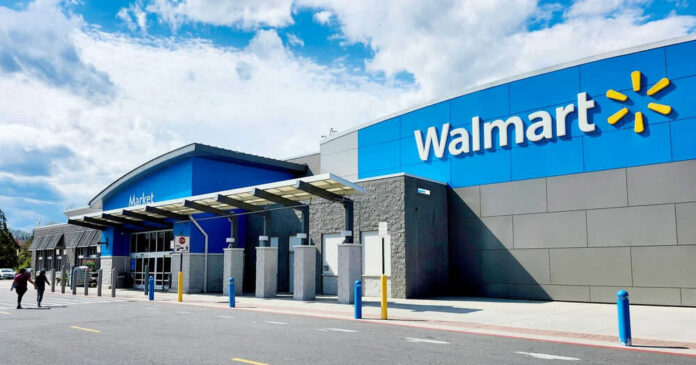
Walmart and Sam’s Club announced thousands of price cuts across groceries, fuel, grilling essentials, and seasonal goods as summer kicked off. The company’s rollout focused on items families actually buy for cookouts and weekly shopping. A one-pound roll of fresh ground beef dropped from $6.74 to $5.94. Fresh sweet corn fell from sixty-eight cents each to twenty-five cents.
A bag of red cherries was sliced from $11.18 to $5.63. Coke and Pepsi twenty-four packs fell from the mid-teens to $9.97. These cuts reached into chips, paper plates, ice cream and club packs of chicken wings and hot dogs.
Corporate leaders framed the move as “investments in price,” meant to help inflation-weary shoppers stretch their paychecks during the summer, when food, fuel and fun all hit at once.
Walmart is lowering prices on thousands of products, including beef, Coca-Cola and laundry detergent, saying the cuts are aimed at reducing the costs of seasonal summer items. https://t.co/yu2rhsZAty
— CBS News (@CBSNews) July 7, 2026
Shoppers saw the change at the shelf, not just in a press release. Retail analysts say most stores had the lower prices in place the week before the news went wide, which suggests a planned promotion rather than a last-second political deal.
Rollbacks are a long-standing Walmart strategy: cut visible prices for a set period, draw foot traffic, and hope people fill their carts with full-margin items.
A typical rollback lasts around 90 days in many stores, which aligns with a summer-long push rather than a one-day patriotic stunt. Whether people feel the relief depends on their whole receipt. A cheaper pound of beef matters, but not if rent, car insurance and credit card interest keep climbing.
Trump’s Claim Of Credit And The Missing Link
President Trump jumped into the story on Truth Social, saying Walmart agreed to lower prices at his administration’s request to help celebrate the nation’s 250th birthday. He highlighted ground beef and said the retailer would drop the price by almost fifteen percent, “among many other products.”
The actual cut on that one-pound roll came in at 12 percent, close enough that his number sounded believable to supporters already angry about food costs.
Trump’s message fit a broader theme: he wants voters to see him as the man who can beat inflation with a phone call, not a long policy process. That plays well with people who think big corporations listen more to power than to regular customers.
When reporters asked Walmart about Trump’s post, the company pointed them back to the same statement and gave no hint that the administration drove the timing or the size of the cuts. A source close to the retailer told one outlet that the lower prices were already in effect the prior week.
That detail matters. If the promotion was set and running before the Truth Social post, then Trump did not “force” Walmart to change numbers. He attached his brand to something that was already happening.
Media Spin, Corporate Silence And What Voters Should Watch
Major outlets like The New York Times and The Hill framed Trump’s claim as unverified and possibly misleading, hammering the gap between his story and Walmart’s silence.
Their coverage focused on the missing paper trail. There is no public email, no joint statement, and no known policy move that clearly links a White House request to a detailed price schedule across thousands of items.
At the same time, Walmart has not outright denied any contact with the administration. It simply talks about summer savings and lets Trump talk about Trump. That corporate silence keeps options open. The retailer avoids angering the administration or its critics and keeps the focus on deals, not drama.
Walmart announces price cuts; Trump claims White House influence
https://t.co/BZDn1aMvaR— The Right News, Right Now. (@BradPorcellato) July 8, 2026
The key question is not whether Trump asked. Politicians ask corporations for things every week. The question is whether government should run prices at the shelf and whether voters are being sold a story that does not match the facts.
Free-market thinking says Walmart cut prices because shoppers are stretched thin, tax refunds are gone, and demand has softened. Retail behavior and labor data point to weak wallets, not White House pressure, as the main driver of discounts.
Yet the base rate of this game is clear: presidents of both parties claim credit whenever a big brand does something popular. Corporations smile, say nothing, and keep counting sales. Voters who care about their grocery bill should pay less attention to social posts and more attention to how often prices stay down once the cameras move on.
Sources:
cbsnews.com, alphaspread.com, wftv.com, usnews.com, thehill.com, facebook.com, corporate.walmart.com