
Alan Greenspan’s death at 100 closes one of the most famous runs in modern economic history, but it also reopens the argument over what his legacy really means.
Story Snapshot
- Former Federal Reserve Chairman Alan Greenspan died at age 100 from complications of Parkinson’s disease.
- His wife, Andrea Mitchell, confirmed the death to NBC News, and other major outlets reported the same basic facts.
- Greenspan led the Federal Reserve from 1987 to 2006, serving under four presidents.
- His name still divides opinion: “maestro” to admirers, crisis-era symbol to critics.
The Fact Pattern Around His Death
Multiple major outlets reported that Greenspan died on Monday at his home, and NBC News said Mitchell confirmed he died from complications of Parkinson’s disease.[7] Reuters, CBS News, the Associated Press, and Al Jazeera all carried the same central report: he was 100, and the death was confirmed by family.[1][2][4][5]
That matters because the news was not built on rumor or speculation. It came from the spouse who was closest to him, then spread through standard wire and broadcast channels. The reporting leaves little room for doubt on the basic event, even if some fine details, such as the exact time of death, were not publicly specified.[7]
Why Greenspan Still Matters
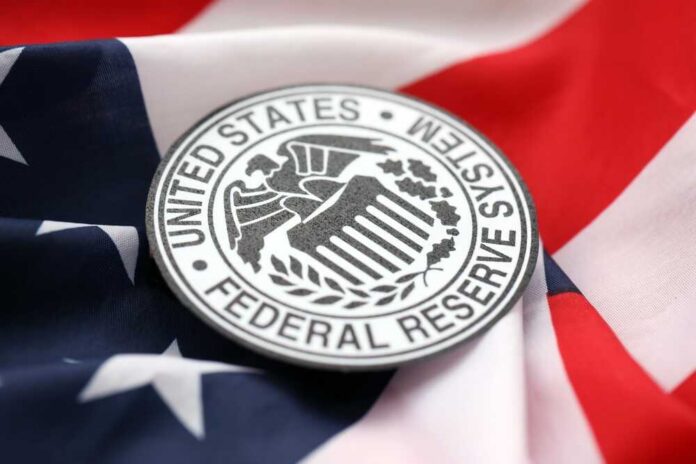
Greenspan was not just another former official. He led the Federal Reserve through a long stretch of growth, market change, and rising global influence. NBC News noted that he served under four presidents and finished five consecutive four-year terms in early 2006.[7] That is rare institutional power, and it explains why his name still lands like a thunderclap in financial news.
His reputation was built during the years when central bankers could seem almost mythic. Supporters saw a steady hand who helped guide the economy through a boom. Critics saw a man who trusted markets too much and helped set the stage for later trouble. That split is not new, but his death makes it sharper because obituary coverage often turns into a verdict on a whole era.
The Legacy Fight That Follows the Obituary
This is where the story gets bigger than a death notice. Greenspan became a symbol for two different memories of American capitalism. One memory celebrates calm, expansion, and confidence. The other remembers loose rules, rising risk, and the road to the 2008 financial crisis. Reuters and AP both framed the obituary with that tension still alive, which tells you how unfinished the argument remains.[1][5]
That kind of split is familiar to readers who have watched major public figures age into history. At first, the focus is the person. Then the focus shifts to the scorecard.
With Greenspan, the scorecard is especially harsh because the Federal Reserve touches ordinary life through interest rates, home loans, jobs, and savings. People do not need an economics degree to feel whether that system helped them or hurt them.
"Widely regarded as one of the greatest central bankers in history…"
That's how SBS covered the news of the death of Alan Greenspan, the man who spent his entire reign relently pumping up speculative bubbles …
until they blew up the world.
— Robert Barwick (@RobbieBarwick) June 23, 2026
His death also shows how modern obituaries work. The headline delivers the fact. The body quickly expands into a judgment about performance, influence, and blame. That is not unique to Greenspan, but he was built for this kind of debate. He spent years as a public oracle, and public oracles rarely get the quiet exit they may want. Their final story is usually about what they left behind.
Why the Reaction Was So Immediate
The speed of the response reflects how much memory still clings to his name. Greenspan was famous enough that even people who never followed the Federal Reserve knew the label “maestro.” At the same time, he became an easy target once the financial crisis hit. That makes his death both a human event and a political one. In American public life, those two things often arrive in the same package.
For readers over 40, the deeper lesson may be simple. Power in finance is never abstract for long. It moves into mortgage rates, retirement accounts, business plans, and layoffs. That is why a figure like Greenspan can inspire both admiration and anger in the same sentence. He helped shape the world people lived in, and that world still argues with itself about what he got right.
Sources:
[1] Web – Former Federal Reserve Chairman Alan Greenspan dies at 100
[2] Web – Alan Greenspan, US Fed ‘maestro’ through years of boom and bust …
[4] YouTube – Former Fed Chairman Alan Greenspan Dies at 100
[5] Web – Former US Federal Reserve Chairman Alan Greenspan dies at age …
[7] Web – Alan Greenspan, economist and longtime head of the Federal …