

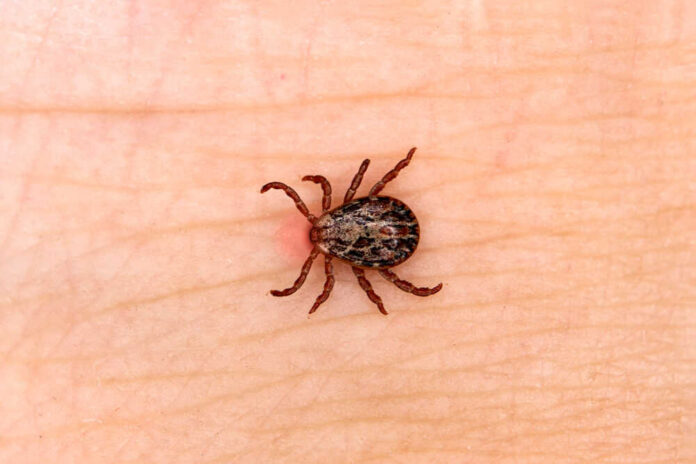
Americans are rushing to emergency rooms for tick bites at the highest early-season rates in almost a decade, yet the full story of this “worse tick season” is far less simple than the headlines suggest.
Story Snapshot
- Weekly tick-bite ER visits in April more than doubled the usual rate, hitting decade-high levels
- The Northeast is seeing the sharpest surge, with especially high risk for kids and older adults
- CDC data are still preliminary, but media and social platforms already frame 2026 as a “severe” tick season
- Climate, longer tick seasons, and public fear all play a role — but common-sense precautions still matter more than panic
How Bad Is Tick Season Really Getting?
Weekly emergency room visits for tick bites reached about 71 per 100,000 visits in April 2026, more than double the typical seasonal rate around 30 per 100,000 at this time of year. That simple number drives most of the scary headlines.
The Centers for Disease Control and Prevention, using its Tick Bite Tracker, says most regions of the United States are now at their highest early-season tick-bite ER levels since at least 2017. This fits a pattern of rising tick encounters, especially as people head outdoors in spring.
The Northeast is taking the hardest hit. Media reports based on Centers for Disease Control and Prevention data show the region far ahead of the rest of the country in tick-related emergency visits, with children under 10 and adults in their 70s among those with some of the highest rates of ER care for bites.
At the same time, Connecticut’s tick surveillance program and other local tracking efforts report growing numbers of human-biting ticks year over year, adding weight to the idea that the problem is not just hype.
What The Data Say Versus What The Headlines Shout
The Centers for Disease Control and Prevention itself uses careful language. It says visits are “higher than usual” and “highest for this time of year since 2017,” but labels the 2026 tick data as preliminary. That means the numbers can still change as more hospitals report and as the full season plays out.
Despite that caution, major outlets quickly frame the story as a “record” or “worst in years” tick season. This gap between measured government language and the emotional tone of media coverage is familiar to anyone who watched public health coverage during the pandemic years.
Tick season is expected to be worse than normal as ER visits rise in much of the U.S. https://t.co/EH7dln8g2E
— CBS News (@CBSNews) July 3, 2026
From this perspective, this should raise questions. The numbers are real, but the spin often pushes fear first and nuance second. Early data snapshots become fuel for attention-driven news and social posts, even though tick visits almost always peak later in May or June and can level off.
No serious source is denying the rise in ER visits. The question is whether we are hearing a balanced story about risk, or a one-sided alarm built on incomplete data.
Why Tick Encounters Are Rising Across Much Of The Country
Experts who study ticks offer several grounded reasons for the rise. Many point to milder winters and longer warm seasons, which allow more ticks to survive, wake up earlier, and stay active longer into fall.
That means what used to feel like a short summer nuisance is becoming a long-running hazard throughout spring, summer, and even parts of winter.
In high-risk regions like the Northeast and Midwest, this aligns with larger tick populations and greater chances of being bitten when people hike, garden, hunt, or send kids to camp.
Another driver is simply awareness. With more coverage of Lyme disease and other tick-borne illnesses, people are more likely to head to the emergency room when they spot a tick on their skin or worry about a rash. Doctors report seeing more patients come in early, sometimes before the tick is engorged.
From a health standpoint, early care is good. From a data standpoint, it means ER visit counts can rise even if the actual number of dangerous infections is not exploding at the same pace.
The Real Stakes: Lyme Disease, Testing Costs, And Everyday Choices
Ticks matter because they carry disease, not because the bite itself is dramatic. Lyme disease is the best-known threat and affects hundreds of thousands of Americans each year. Other infections, like babesiosis and anaplasmosis, can be serious or even deadly for older adults and people with weaker immune systems.
Yet many bite-related visits end with reassurance rather than a hospital stay. This is where the economics quietly enter the story. Social posts highlight “sticker shock” over lab tests for Lyme and other diseases, and official agencies say almost nothing about cost relief or financial help.
That silence clashes with basic fairness. Families are told to seek care and testing, but they are rarely told what it might cost or how to get help if they cannot afford it.
At the same time, there is real concern that social media algorithms boost only fear-based, Centers for Disease Control and Prevention-aligned messaging, while burying careful questions about data and cost.
For readers who value personal responsibility, limited government, and honest numbers, this combination — strong warnings, early data, thin economic transparency — should invite scrutiny, not blind trust.
Practical Protection That Matters More Than Panic
The good news is that tick protection is simple and does not require panic, mandates, or expensive gadgets. Experts across the board suggest the same steps: use bug repellent, wear long sleeves and pants, stay on clear trails rather than in bushy grass, and check your body and your children for ticks after being outdoors.
If you find a tick, remove it quickly with fine-tip tweezers, clean the bite, and watch for symptoms such as a bull’s-eye rash or a flu-like illness. Removing a tick within about 24 hours can sharply cut the odds of Lyme disease.
The bigger lesson in this “worst tick season” debate is not that the Centers for Disease Control and Prevention data are fake or that the risk is imaginary. The numbers are real enough to deserve respect.
The lesson is that you can act wisely without handing your peace of mind to every scary headline. Protect your family outdoors, ask hard questions about preliminary data and testing bills, and remember that personal vigilance usually beats public panic — in tick season and beyond.
Sources:
cbsnews.com, tickmitt.com, cdc.gov, abcnews.com, axios.com, instagram.com, facebook.com, washingtonpost.com, youtube.com, restoredcdc.org, foxnews.com, healthline.com, unmc.edu