
Gunfire ripped through Toronto’s Salsa on St. Clair festival, leaving two dead and several more hurt in seconds.
Story Snapshot
- Police confirmed two people were killed and others wounded at the street festival.
- Shots erupted Saturday night near St. Clair Avenue West and Arlington Avenue.
- No arrests or suspect details were announced right after the attack.
- Witnesses said panic spread instantly as the active shooter threat unfolded.
Deadly attack at a busy summer street festival
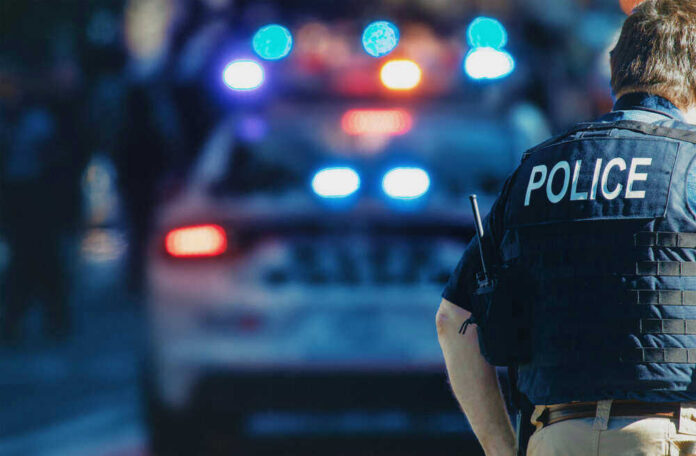
Toronto Police said two people died and others were injured after shots were fired at the Salsa on St. Clair festival on Saturday night. Officers identified the area as St. Clair Avenue West near Arlington Avenue.
Crowds ran for cover as the celebration turned into a crime scene. Police closed the area and urged people to stay away. The festival, which draws families and seniors, became the latest backdrop to a rare but high-impact public shooting in Canada.
Emergency crews moved fast to treat the wounded and secure the streets. Toronto Police later confirmed the deaths and multiple injuries, while investigators began the slow work of sorting videos and statements from a stunned public.
Organizers planned to cancel the remaining events out of respect and safety concerns. People who were dancing minutes earlier now faced questions with few answers. The shift from joy to fear happened almost instantly, and that matters for policy and trust.
What police know and what they do not
Police reported no arrests in the hours after the shooting and released no suspect descriptions or motive. Detectives asked anyone with videos or dashcams to come forward.
That call signals two facts. First, the scene likely holds many angles from bystanders that can map the path of the shooter. Second, the case may hinge on public help. Without fast suspect details, rumors fill the gap, which raises anxiety and drags focus away from evidence-driven leads.
2 killed in mass shooting at Canada’s largest Latin street festival in Toronto, police say https://t.co/PaToGXGBHa
— ABC 27 (@abc27) July 12, 2026
People online also questioned why no emergency alert hit phones during the chaos. That debate popped up before in other fast-moving gun cases. Active shooter episodes can unfold and end in minutes, which makes broadcast alerts hard to time. The public still expects prompt warnings when danger is not contained.
Clear rules and quick updates reduce confusion and keep crowds from rushing into harm’s way. The alert gap will stay a sore point until leaders explain the threshold for use.
How this fits a wider pattern of rare, high-impact events
Canada has far fewer mass public shootings than the United States. Yet the country has seen several severe attacks in recent years, including a school shooting in British Columbia that killed ten people in February 2026.
Public events and open streets are soft targets. When shots ring out there, the shock is national. These are low-frequency but high-consequence crimes that test police response, medical surge, and public communication all at once.
United States data on active shooter locations shows a heavy share in commerce areas and open spaces. That reflects where people gather with little security screening.
While definitions vary and gang crime is separate from active shooter studies, the tactical challenge looks similar on the ground. Officers must move, find the threat, and stop it fast while guiding civilians out. Seconds matter. That is why drills, gear, and clear command play such a big role in outcomes.
What comes next: evidence, accountability, and community trust
Detectives will trace shell casings, canvass storefront cameras, and pull cell videos. Forensic matches could link a weapon to other crimes or rule that out. A press release naming the victims will come after next of kin are told. That step offers dignity and closes rumor mills.
Police will also brief on motive and suspects when ready. Facts, not theories, must steer the narrative. Leaders owe the public a timeline and a plain record of decisions made that night.
The final day of Salsa on St. Clair has been cancelled following Saturday night’s deadly shooting.
Sources : Salsa in Toronto Festival, Toronto Police , The Canadian Press#SalsaOnStClair #StClairWest #TorontoShooting #BreakingNews #TorontoPolice pic.twitter.com/JwHj5tbUK1
— The Ontario Post (@TheOntarioPostM) July 12, 2026
Some commentators rushed to score political points. That helps no one. The core test here is simple: protect life, enforce the law, and tell the truth. Hold criminals to account with certain punishment.
Demand steady funding for training and detection. Support lawful gun owners while cracking down on illegal guns and violent offenders. This is not either-or. It is both-and. Communities stay free and festive when rules are clear and consequences are sure.
Sources:
x.com, nanaimonewsnow.com, wgrz.com, reddit.com, cbc.ca, instagram.com